

Neil Ruttenberg: Mask of Sarnath (The Nightmare Cut)
Neil Ruttenberg is a singular figure whose career operates at the intersection of mainstream cinema and the avant-garde. A disciple of Harlan Ellison, his writing has served legends such as Roger Corman and Stan Lee, with contributions to the original screenplays for Spider-Man and Ant-Man. Yet, his most personal work remains Mask of Sarnath (1980), a film he wrote and directed that year. Nominated for a Student Academy Award and handpicked by Jonathan Demme for his «Made in Texas» collection, the picture stands as a homage to classic horror, shot on 16mm.
The film’s soundtrack was the work of the pioneering industrial group Throbbing Gristle. Ruttenberg’s arrangement with the English band was as unorthodox as their music; they agreed to the project for the mere cost of international postage. Upon receiving the script and $50, Ruttenberg was sent the original score on an open-reel tape, accompanied by a personal note from Genesis P-Orridge.
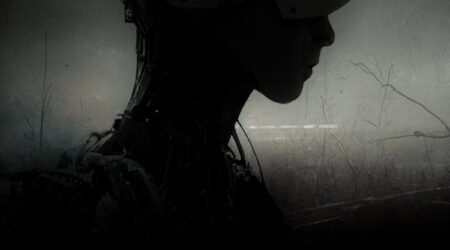
On January 15, Neil Ruttenberg will unveil Mask of Sarnath: The Nightmare Cut, a radical reinterpretation that, for the first time, incorporates Throbbing Gristle’s complete soundtrack. Developed in collaboration with his nephew, Zane Ruttenberg, this new version breathes fresh life into the work with previously unseen material.
The director himself now joins us to discuss this exceptional project.
Having collaborated with titans of the industry like Stan Lee and Roger Corman, what was the driving impulse behind creating Mask of Sarnath in 1980? What was the core message or essence you sought to capture in the original film?
Funny story on how I even got into horror. When I was 13, while attending Hebrew School, the Rabbi caught me reading a comic book instead of studying. He didn’t get angry, he rummaged around in his desk and pulled out a book called «The Collected Works of H.P. Lovecraft. He handed me the book and said «try this.» I stayed up all night reading that collection of short stories by one of the most prominent horror writers of the century. Those tales of cosmic horror changed my life. The screenplay for Mask of Sarnath was a story I wanted to tell all the way back to high school, but it wasn’t until college when I went to film school at the University of Texas that the dream of making a horror film was realized. I have always been a movie lover. At the age of ten I’d sneak out of the house, ride a bus into downtown San Antonio and watch horror films back to back at a dingy movie house called the Texas Theater. While getting a degree in film I was given the chance to actually direct a movie and so I wrote the screenplay for the Mask of Sarnath loosely based on all the Lovecraft stories I had read as a youth. With only 800 dollars I set out to pay homage to all the horror films that had been a part of my growing up. Mask of Sarnath is a classic tale of «be careful what you wish for.»
The film is often described as an homage to the horror classics. Could you specify the particular films or directors that were your most significant influences?
Seeing how it was shot in 1980 it was really a homage to the films of the fifties, sixties and seventies. One of the films that was a huge influence on me as a kid was a film called THE MASK. I remember seeing it at one of those downtown theaters in the early sixties. The Mask was a Canadian film shot in 3D about a psychiatrist who becomes obsessed with a tribal mask. I was a huge fan of Hammer films and giallo films out of Italy, especially directors Mario Bava and Dario Argento. Susperia is the only film that truly scared me. Also, John Carpenter’s Halloween was a huge reason why I decided to make a movie.
The story of how you secured Throbbing Gristle for the soundtrack is remarkable. What led you to them specifically? It was a decidedly avant-garde choice for a horror film at that time.
From 1973 to 1981 I was a buyer for a record store called INNER SANCTUM in Austin, Texas. When punk emerged in 1976, I started importing singles and records directly from England because no one in the United States was listening to that kind of music. One of the singles I brought into the store was the first Throbbing Gristle single «Untitled» backed with Zlycon B-Zombie. For some reason after listening to that record I decided that they would be perfect for the soundtrack. I wanted something spooky, edgy and different from what most movie soundtracks can be. By that time, I was already in two punk bands and had a radio show as the Reverend Neil X. My first punk band was called Radio Fre Europe and we created music very similar to Throbbing Gristle. We were banned from all the clubs in Austin because of the kind of music we played. One bar owner called it musical assault, So I decided why not ask Throbbing Gristle. I never believed I would hear back until I did! I got a letter from Genesis that said send us $50 dollars. I put a fifty dollar bill in an envelope and mailed it to England. About four weeks later, I got a reel of ampex tape in the mail from THROBBING GRISTLE. They had recorded the music using Pink Floyd’s equipment.
What were the circumstances that prevented the full, original soundtrack from being used in the 1980 version, leaving it unheard for decades?
I ask myself that question all the time. Why did I wait so long to put it out in its entirety? When I made the movie, my sound designer only used portions of the soundtrack because there are only so many spaces you can fill with music because sometimes silence is scarier. So, hence, only pieces of the 31 minutes was used. After Sarnath I moved to Los Angeles and began a career as a screenwriter, working non stop for people like Stan Lee and all the major studios and the reel of tape went onto a shelf. Mask of Sarnath was the perfect calling card to get me inside the Hollywood machine. I probably sold over 17 screenplays between 1985 and 2000. I wrote scripts for Joe Dante of Gremilns fame, a movie for Disney, 20th Century Fox, WB, Marvel, Paramount and a host of independants.
After more than four decades, what motivated you to return to Mask of Sarnath and create The Nightmare Cut?
I actually didn’t even know how much music was on the reel until 2014 when I decided to digitize and remaster the music on the reel because as you know tape degrades over time and AMPEX tape is prone to peeling, so I decided to have professionals bake the tape and transfer it. I was blown away. I thought I had to get this out. The movie was remastered for release on a collection called MADE IN TEXAS curated by Academy Award Winner Jonathan Demme. But even though the movie looked better than ever, the sound was still in mono. Life intervenes, time passes and one day my nephew Zane Ruttenberg asked me what was on the tape. I told him and he said, «Dude! You have to put that out! He was a big Throbbing Gristle fan and this was basically a lost score.» It took a couple of more years to put the plan in action. We decided to create a new cut, THE NIGHTMARE CUT» a visualizer that contained the entire 31 minutes of original music Throbbing Gristle gave me. The theme and music are stunning, probably the best they had ever done, and you can now hear the complete score in STEREO.
The concept of The Nightmare Cut is intriguing. How would you characterize the essential difference between the 1980 film and this new version, beyond the inclusion of the complete score?
THE NIGHTMARE CUT is really a visualizer so you can hear the full 31 minutes in stereo. It is I guess the art/abstract film version of the original movie. It’s sort of fitting to have created an avant garde version of your film to go along with some very avant-garde music. It made sense. Zane Ruttenberg should get a lot of credit for turning a 19min horror film into a 31 minute underground style film with an incredible unreleased soundtrack by one of the premier industrial bands. I had 21 minutes of film and 31 minutes of music. It’s like the Naked Lunch version of the movie. It reminds me of the «underground films» that were shown as midnight movies in the late sixties and early seventies. Experimental filmmaking married to music
What unique perspective did your nephew, Zane, bring to The Nightmare Cut that you, as the original creator, might have overlooked?
Zane Ruttenberg is both a musician and filmmaker, and we had similar tastes in music. His band Thanks Light has put out several albums. He immediately had an idea for how to make the movie and I trust anyone who has that «Eureka» moment. He had a vision the moment we started talking about it. The musician side of him found the beat, the spine of the Throbbing Gristle music and the filmmaker side saw the pattern, the dreams within dreams aspect of the film. He is also a big fan of avant-garde filmmaking. It was a perfect marriage of style and substance.
Neil Ruttenberg es una figura única cuya carrera conecta el mainstream con la vanguardia. Discípulo de Harlan Ellison, ha escrito para leyendas como Roger Corman y Stan Lee, contribuyendo a los guiones originales de Spider-Man y Ant-Man. No obstante, en 1980 escribió y dirigió su obra más personal, «Mask of Sarnath», nominada al Student Academy Award y seleccionada por Jonathan Demme para su colección «Made in Texas». La película es un homenaje a los clásicos de terror filmado en 16mm.
La banda sonora de Mask of Sarnath corrió a cargo de Throbbing Gristle. El acuerdo de Ruttenberg con la banda inglesa fue bastante singular, ya que aceptaron el reto con solo abonar por parte del director el precio del envío internacional. Tras enviarles el guion y 50 dolares, recibió la partitura original en un carrete de bobina abierta con una respuesta personal de Genesis P-Orridge.
El próximo 15 de enero, Neil Ruttenberg presenta «Mask of Sarnath: The Nightmare Cut», una reinterpretación que utiliza por primera vez la banda sonora completa de Throbbing Gristle. Desarrollada junto a su sobrino Zane Ruttenberg, esta nueva versión revive la obra con material inédito.
El propio director nos atiende para hablarnos sobre este marivolloso trabajo.
Usted ha trabajado junto a grandes figuras como Stan Lee O Roger Corman, ¿qué lo impulsó a crear «Mask of Sarnath» en 1980? ¿Cuál era la esencia o el mensaje que quería transmitir con el film original?
Una anécdota graciosa sobre cómo empecé en el terror. Cuando tenía 13 años, estando en la Escuela Hebrea, el Rabino me pilló leyendo un cómic en vez de estudiar. No se enfadó, rebuscó en su escritorio y sacó un libro llamado «Las Obras Completas de H.P. Lovecraft». Me dio el libro y dijo: «prueba con esto». Me pasé toda la noche en vela leyendo aquella colección de relatos cortos de uno de los escritores de terror más prominentes del siglo. Esas historias de horror cósmico me cambiaron la vida. El guion de «La Máscara de Sarnath» era una historia que quería contar desde que estaba en el instituto, pero no fue hasta la universidad, cuando fui a la escuela de cine en la Universidad de Texas, que el sueño de hacer una película de terror se hizo realidad. Siempre he sido un amante del cine. A los diez años, me escapaba de casa, tomaba un autobús al centro de San Antonio y veía películas de terror sin parar en un cine cutre llamado el Texas Theater. Mientras me sacaba la carrera de cine, me dieron la oportunidad de dirigir una película, así que escribí el guion de «La Máscara de Sarnath», basado libremente en todas las historias de Lovecraft que había leído de joven. Con solo 800 dólares, me propuse homenajear a todas las películas de terror que habían formado parte de mi crecimiento. «La Máscara de Sarnath» es un cuento clásico de «ten cuidado con lo que deseas».
La película es descrita como un «homenaje a los clásicos del terror de los 80». ¿Qué películas o directores específicos fueron sus mayores influencias?
Teniendo en cuenta que se rodó en 1980, era en realidad un homenaje a las películas de los años cincuenta, sesenta y setenta. Una de las películas que más me influenció de niño fue una película llamada THE MASK (La Máscara). Recuerdo verla en uno de aquellos cines del centro a principios de los sesenta. «The Mask» era una película canadiense rodada en 3D sobre un psiquiatra que se obsesiona con una máscara tribal. Yo era un gran fan de las películas de Hammer y de las películas giallo italianas, especialmente de los directores Mario Bava y Dario Argento. «Suspiria» es la única película que de verdad me asustó. Además, «Halloween» de John Carpenter fue una razón de peso para que decidiera hacer una película.
La historia de cómo consiguió que Throbbing Gristle compusiera la banda sonora es fascinante. ¿Qué lo llevó a pensar específicamente en ellos para su película de terror? Fue una elección muy vanguardista para la época.
De 1973 a 1981 fui comprador para una tienda de discos llamada INNER SANCTUM en Austin, Texas. Cuando emergió el punk en 1976, empecé a importar sencillos y discos directamente desde Inglaterra porque nadie en Estados Unidos escuchaba ese tipo de música. Uno de los sencillos que traje a la tienda fue el primer sencillo de Throbbing Gristle, «Untitled», con «Zlycon B-Zombie» en la cara B. Por alguna razón, después de escuchar ese disco, decidí que serían perfectos para la banda sonora. Quería algo espeluznante, transgresor y diferente a lo que suelen ser la mayoría de bandas sonoras. Para entonces, ya estaba en dos bandas de punk y tenía un programa de radio como el Reverendo Neil X. Mi primera banda de punk se llamaba Radio Fre Europe y creábamos música muy similar a la de Throbbing Gristle. Fuimos expulsados de todos los clubes de Austin por el tipo de música que tocábamos. El dueño de un bar lo llamó «asalto musical». Así que decidí: ¿por qué no preguntarle a Throbbing Gristle? Nunca creí que me contestarían, ¡hasta que lo hicieron! Recibí una carta de Genesis [P-Orridge] que decía: «envíanos 50 dólares». Puse un billete de cincuenta dólares en un sobre y lo mandé a Inglaterra. Unas cuatro semanas después, recibí por correo un carrete de cinta Ampex de THROBBING GRISTLE. Habían grabado la música usando el equipo de Pink Floyd.
¿Por qué la banda sonora original no se utilizó en su totalidad o no se escuchó durante tantos años en la versión de 1980?
Me pregunto eso todo el tiempo. ¿Por qué esperé tanto para sacarlo completo? Cuando hice la película, mi diseñador de sonido solo usó partes de la banda sonora porque solo hay cierto número de espacios que puedes llenar con música, a veces el silencio da más miedo. Por lo tanto, solo se usaron fragmentos de los 31 minutos. Después de «Sarnath» me mudé a Los Ángeles y empecé una carrera como guionista, trabajando sin parar para gente como Stan Lee y todos los grandes estudios, y el carrete de cinta fue a parar a una estantería. «La Máscara de Sarnath» fue la tarjeta de visita perfecta para meterme en la maquinaria de Hollywood. Probablemente vendí más de 17 guiones entre 1985 y 2000. Escribí guiones para Joe Dante (famoso por «Gremlins»), una película para Disney, 20th Century Fox, WB, Marvel, Paramount y un montón de productoras independientes.
¿Qué lo motivó, después de más de 45 años, a rescatar «Mask of Sarnath» y crear «The Nightmare Cut»?
En realidad, ni siquiera sabía cuánta música había en el carrete hasta 2014, cuando decidí digitalizar y remasterizar la música de la cinta porque, como sabes, la cinta se degrada con el tiempo y la cinta AMPEX tiende a despegarse, así que decidí que profesionales «hornearan» la cinta y la transfirieran. Aluciné. Pensé: «tengo que sacar esto». La película fue remasterizada para su lanzamiento en una colección llamada «MADE IN TEXAS» comisariada por el ganador del Oscar Jonathan Demme. Pero aunque la película se veía mejor que nunca, el sonido seguía siendo mono. La vida interviene, el tiempo pasa y un día mi sobrino Zane Ruttenberg me preguntó qué había en la cinta. Se lo dije y él dijo: «¡Tío! ¡Tienes que sacar eso!». Él era un gran fan de Throbbing Gristle y esto era básicamente una banda sonora perdida. Tardamos un par de años más en poner el plan en acción. Decidimos crear un nuevo montaje, «THE NIGHTMARE CUT» (El Corte Pesadilla), un visualizador que contenía los 31 minutos completos de la música original que me dio Throbbing Gristle. El tema y la música son alucinantes, probablemente lo mejor que hicieron nunca, y ahora puedes escuchar la banda sonora completa en ESTÉREO.
El concepto de «The Nightmare Cut» suena muy interesante. ¿Cómo definiría la diferencia esencial entre la película de 1980 y esta nueva versión? Más allá de la banda sonora completa.
«THE NIGHTMARE CUT» es en realidad un visualizador para que puedas escuchar los 31 minutos completos en estéreo. Supongo que es la versión artística/abstracta de la película original. Es como apropiado haber creado una versión avant-garde de tu película para acompañar a una música muy vanguardista. Tenía sentido. Zane Ruttenberg merece mucho crédito por convertir una película de terror de 19 minutos en una película de estilo underground de 31 minutos con una increíble banda sonora inédita de una de las bandas principales del industrial. Yo tenía 21 minutos de película y 31 minutos de música. Es como la versión de «El Almuerzo Desnudo» de la película. Me recuerda a las «películas underground» que se proyectaban como películas de medianoche a finales de los sesenta y principios de los setenta. Cine experimental unido a la música.
¿Qué cree que Zane aportó a «The Nightmare Cut» que usted, con su perspectiva original, no habría podido ver?
Zane Ruttenberg es músico y cineasta, y tenemos gustos musicales similares. Su banda Thanks Light ha sacado varios álbumes. Inmediatamente tuvo una idea sobre cómo hacer la película y yo confío en cualquiera que tenga ese momento «Eureka». Tuvo una visión en el momento en que empezamos a hablar de ello. Su faceta de músico encontró el ritmo, la columna vertebral de la música de Throbbing Gristle, y su faceta de cineasta vio el patrón, el aspecto de sueños dentro de sueños de la película. También es un gran fan del cine avant-garde. Fue un matrimonio perfecto entre estilo y sustancia.


Deja una respuesta
Lo siento, debes estar conectado para publicar un comentario.